In freelancing, a work shift refers to a defined period you dedicate to a specific client's project. It's a core concept for managing your time and billing structure effectively.
What is Work shift?
A work shift is simply a scheduled block of time dedicated to a specific task or project. For freelancers, this often means committing a set number of hours to a client's work, similar to a traditional shift but with more flexibility. It's a fundamental unit for planning and tracking your daily or weekly workload.
Why is this important?
Understanding work shifts is crucial for freelancers. It helps you structure your day, set clear boundaries between different clients, and accurately track time for billing. This clarity improves your productivity and ensures you are fairly compensated for the hours you work.
How does it work?
You agree with a client on a specific timeframe, like a 4-hour block, to focus on their project. You then work exclusively on that task during that period. Time is tracked using tools or manual logs. Finally, you invoice the client based on the completed shifts at your agreed hourly or project rate.
Pros and cons
Key advantages include clear time boundaries, easier time tracking for billing, and improved focus. Potential downsides can be rigidity if a task overruns the shift and the challenge of managing multiple, fragmented shifts for different clients in one day.
Conclusion
Mastering the work shift concept is key to professional freelancing. It turns vague workdays into structured, billable units. By defining your shifts, you gain control over your schedule, productivity, and income.
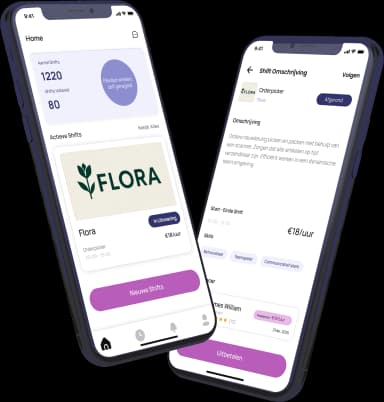
Ready to freelance?
Download the HFS Freelancers app and discover flexible shifts in your area. Or explore more terms in our knowledge base.