A VAT number is a unique identifier for businesses registered for Value Added Tax. For freelancers, understanding this tax ID is crucial when working with clients in the European Union.
What is VAT number?
A VAT number is a tax identification code for businesses registered for Value Added Tax. It's used to track tax payments on goods and services within the EU. For freelancers, it's proof you are a registered business for tax purposes.
Why is this important?
You may need a VAT number to legally invoice clients in the EU, especially if your sales exceed a specific threshold in a member state. It allows you to charge VAT on your invoices and reclaim VAT you pay on business expenses.
How does it work?
If you are VAT-registered, you add the applicable VAT rate to your invoices and collect it from your client. You then report and pay this collected VAT to your national tax authority, minus any VAT you paid on eligible business purchases.
Pros and cons
The main pros are appearing more professional and being able to reclaim VAT on costs. The cons include increased administrative work, like filing regular returns, and potentially making your services more expensive for private clients who cannot reclaim the VAT.
Conclusion
A VAT number is a key part of running a freelance business in the EU. Check your local revenue thresholds and client locations to see if registration is required or beneficial for you. Always consult a local tax advisor for rules specific to your situation.
Ready to freelance?
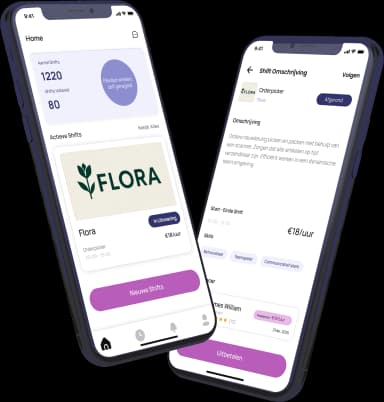
Download the HFS Freelancers app and discover flexible shifts in your area. Or explore more terms in our knowledge base.