A VAT invoice is a specific type of bill you issue when you need to charge Value Added Tax on your services. It's a legal requirement for transactions involving VAT-registered businesses.
What is VAT invoice?
A VAT invoice is a formal bill that includes Value Added Tax (VAT). It's not a standard invoice. It must show specific details like your VAT registration number, the tax rate applied, and the total VAT amount charged to the client.
Why is this important?
Issuing a correct VAT invoice is a legal obligation if you are VAT-registered. It allows your business clients to reclaim the VAT you charged them. Without it, you risk non-compliance and your client cannot claim their tax back.
How does it work?
You only issue a VAT invoice if you are registered for VAT. When you invoice a client, you add the applicable VAT percentage to your service fee. You then clearly list this VAT amount separately on the invoice alongside your VAT number.
Pros and cons
The main advantage is professionalism and compliance, making you credible to larger companies. Key drawbacks include added administrative work and potentially higher costs for clients who cannot reclaim VAT, such as those in other countries or non-registered individuals.
Conclusion
Understanding VAT invoices is key for freelancers working with business clients. It ensures you meet tax obligations and appear professional. Always check if you need to be VAT registered based on your location and earnings threshold.
Ready to freelance?
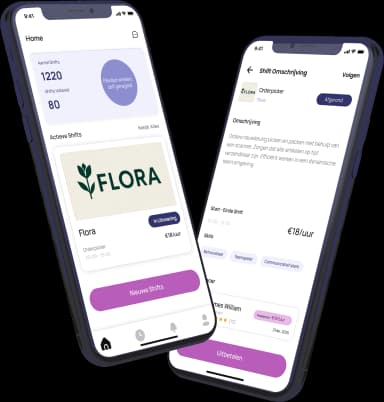
Download the HFS Freelancers app and discover flexible shifts in your area. Or explore more terms in our knowledge base.