VAT exemption is a key tax concept for freelancers. It means you don't charge Value Added Tax on certain sales, often for services provided to clients in other countries.
What is VAT exemption?
VAT exemption is a rule that allows you to sell certain goods or services without adding Value Added Tax. For freelancers, this most commonly applies to cross-border business-to-business (B2B) services within certain regions, like the EU. Essentially, you issue an invoice with 0% VAT.
Why is this important?
It's crucial for your pricing and compliance. Charging VAT incorrectly can create extra costs for your client and administrative headaches for you. Understanding exemption rules helps you quote accurately and avoid legal issues when working with international clients via platforms or direct contracts.
How does it work?
Typically, you apply VAT exemption when your business client is located outside your country but within a common VAT area. You must obtain and validate their VAT number. Then, you note this reverse charge on your invoice, shifting the VAT responsibility to the client in their country.
Pros and cons
The main pros are simplifying international work and making your services more competitively priced for overseas clients. The cons include strict record-keeping requirements and complexity, as rules vary significantly between countries and for business-to-consumer (B2C) sales.
Conclusion
VAT exemption is a vital tool for freelancers serving international markets. Always verify your client's location and VAT status. For definitive advice, consult a local tax professional, as regulations are complex and frequently change.
Ready to freelance?
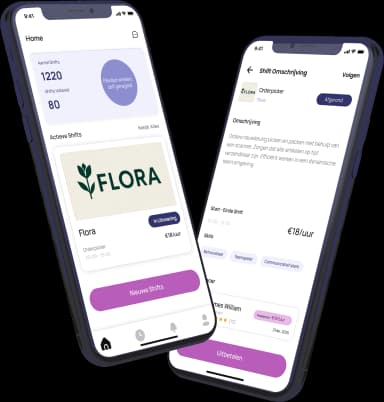
Download the HFS Freelancers app and discover flexible shifts in your area. Or explore more terms in our knowledge base.