VAT, or Value Added Tax, is a consumption tax charged on most goods and services. As a freelancer, understanding VAT is crucial for your pricing, invoicing, and legal compliance.
What is VAT?
VAT stands for Value Added Tax. It's a tax on the value added to goods and services at each stage of production or distribution. When you sell your freelance services, you may need to add this tax to your invoice price, depending on your location and client's location.
Why is this important?
VAT directly impacts your pricing and cash flow. If you are required to charge VAT, you must register with tax authorities, add it to your invoices, and file regular returns. Getting it wrong can lead to fines and complicate your business finances.
How does it work?
If you are VAT-registered, you charge VAT to your clients on your invoices. You also pay VAT on business purchases. Periodically, you calculate the difference between the VAT you collected and the VAT you paid, and send the balance to the government.
Pros and cons
The main advantage is professionalism, as VAT registration can make your business appear more established. A key disadvantage is the administrative burden of calculating, charging, and filing returns. It can also make your services more expensive for clients who cannot reclaim the VAT.
Conclusion
VAT is a fundamental part of running a freelance business in many regions. Check the registration thresholds and rules in your country. Properly managing VAT ensures you stay compliant and avoid unexpected liabilities.
Ready to freelance?
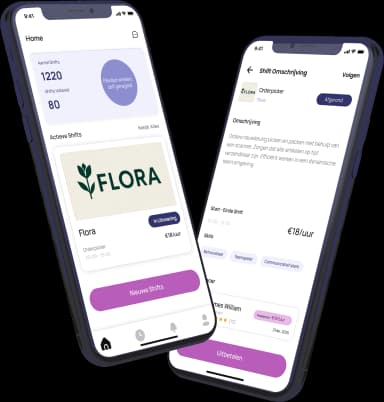
Download the HFS Freelancers app and discover flexible shifts in your area. Or explore more terms in our knowledge base.