A variable hourly rate is a flexible pricing model where a freelancer charges different hourly rates for different types of work or clients. It moves beyond a single, fixed price for all your time.
What is Variable hourly rate?
It's a pricing strategy where your hourly fee isn't fixed. Instead, it varies depending on specific factors. These factors can include the project's complexity, the client's budget, the required expertise, or the work's urgency.
Why is this important?
This approach is crucial because it allows you to price your work based on its true value, not just time spent. It helps you earn more for specialized skills or demanding projects while remaining competitive for simpler tasks. It reflects a mature, value-based business mindset.
How does it work?
You set different rate tiers before starting a project. For example, you might charge one rate for standard design work and a higher rate for complex strategic consulting. You communicate these rates clearly to clients in proposals or contracts to ensure transparency.
Pros and cons
The main pros are increased earning potential for high-value work and better project alignment. The cons include more complex billing, potential client confusion if not communicated well, and the need for careful time tracking per rate tier.
Conclusion
A variable hourly rate is a powerful tool for freelancers seeking to optimize their income. It requires clear communication and organization but effectively bridges the gap between time spent and value delivered. Consider if this model fits your service mix and client base.
Ready to freelance?
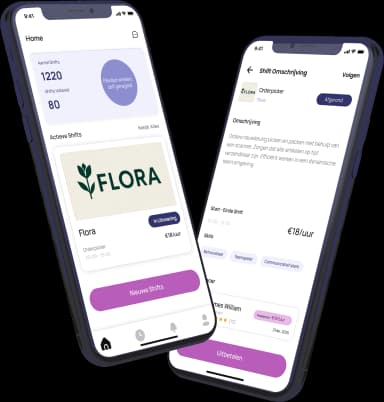
Download the HFS Freelancers app and discover flexible shifts in your area. Or explore more terms in our knowledge base.