For freelancers, a vacation is a planned period of time away from client work. Unlike traditional employees, you must proactively manage this break yourself.
What is Vacation?
In freelancing, vacation refers to scheduled time off where you pause client work. You are not paid for this time unless you build it into your rates. It's a self-managed break essential for rest and preventing burnout.
Why is this important?
Taking vacation is critical for your long-term health and creativity. Without mandated paid time off, freelancers risk overwork. Planned breaks help you recharge, maintain productivity, and sustain your business over the long term.
How does it work?
You plan your vacation by blocking dates in your calendar. Inform clients well in advance, typically 4-6 weeks. Set up email auto-replies and finish or pause projects before you leave. No work means no income during this period.
Pros and cons
The pros include improved mental health and renewed focus. The main cons are lost income and potential client friction. You must also manage all logistics, from communication to project handoffs, entirely on your own.
Conclusion
Vacation is a non-negotiable part of sustainable freelancing. By planning ahead and communicating clearly, you can enjoy necessary rest without harming client relationships. Your business's health depends on your own.
Ready to freelance?
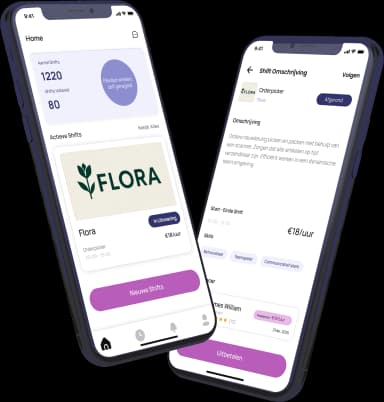
Download the HFS Freelancers app and discover flexible shifts in your area. Or explore more terms in our knowledge base.