The unemployment rate is a key economic indicator you'll often hear about. It measures the percentage of the labor force that is actively seeking work but currently without a job.
What is Unemployment rate?
The unemployment rate is the percentage of people in the labor force who are jobless and actively looking for work. It's a headline figure released monthly by government agencies. It does not include people who have stopped looking for jobs or those working part-time by choice.
Why is this important?
For you as a freelancer, this rate is a barometer of the overall economy. A high rate can signal a recession, potentially meaning less client budget for projects. A low rate often indicates a strong economy, which can increase demand for your services and allow you to charge higher rates.
How does it work?
Governments calculate it through surveys. They count people who are unemployed, meaning they don't have a job, are available to work, and have actively sought work recently. This number is divided by the total labor force, which includes all employed and unemployed people actively seeking work.
Pros and cons
The main pro is it provides a quick snapshot of economic health. A key con is it doesn't capture underemployment, like skilled professionals taking low-wage gigs. It also misses freelancers between contracts who aren't 'actively' job-seeking via traditional methods.
Conclusion
Understanding the unemployment rate helps you gauge market conditions. While it's a broad measure, it can inform your business strategy, from pricing to seeking clients in resilient industries. Remember, your personal 'freelance unemployment' isn't captured in this official statistic.
Ready to freelance?
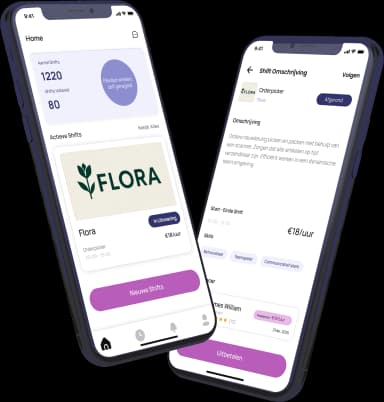
Download the HFS Freelancers app and discover flexible shifts in your area. Or explore more terms in our knowledge base.