Unemployment benefit is a government program providing temporary financial aid to people who lose their job. For freelancers, understanding this is crucial for financial planning.
What is Unemployment benefit?
Unemployment benefit, often called unemployment insurance, is a state-provided financial safety net. It offers temporary payments to eligible workers who have lost their job through no fault of their own. The goal is to provide partial income replacement while you search for new work.
Why is this important?
For freelancers, income can be unpredictable. Traditional unemployment benefits are designed for employees, not the self-employed. Knowing your eligibility, or lack thereof, highlights the need for your own financial safety net, like an emergency fund, to cover gaps between projects.
How does it work?
Typically, benefits are funded by payroll taxes paid by employers. To qualify, you usually must be a former employee, meet earnings thresholds, be actively job hunting, and be able to work. In many places, freelancers are not covered unless specific programs exist, like for gig workers.
Pros and cons
The main advantage is providing crucial income during job loss. However, for freelancers, key drawbacks include frequent ineligibility, complex application processes for the self-employed, and benefit amounts that may not match previous freelance earnings. This makes personal savings essential.
Conclusion
Unemployment benefit is a vital concept, but freelancers often cannot rely on it. You should check your local regulations as rules can change. Your primary strategy should be building a robust personal financial buffer to manage work droughts independently.
Ready to freelance?
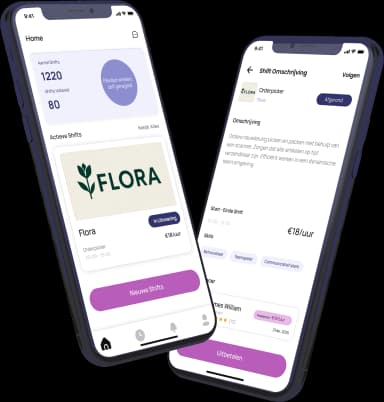
Download the HFS Freelancers app and discover flexible shifts in your area. Or explore more terms in our knowledge base.