Unemployment refers to the state of being without paid work. For freelancers, this concept works differently than for traditional employees.
What is Unemployment?
Unemployment is when someone who is actively seeking work is without a job. In traditional employment, it often triggers eligibility for government benefits. For freelancers, you are technically self-employed, so periods without client work are a normal business risk, not formal unemployment.
Why is this important?
Understanding this distinction is crucial for your financial planning. As a freelancer, you typically don't pay into or qualify for standard state unemployment insurance. This means you must create your own safety net for gaps between projects to manage your cash flow effectively.
How does it work?
For traditional employees, employers pay unemployment taxes. If laid off, they can file a claim. As a freelancer, you are your own employer. You generally cannot claim these benefits unless you've paid into a specific state program for self-employed individuals, which is rare.
Pros and cons
The main advantage is the freedom and control over your work. A significant disadvantage is the lack of an automatic safety net. You are responsible for your own income continuity, which requires proactive saving and diversifying your client base via platforms or networking.
Conclusion
Unemployment for freelancers is about managing work gaps, not filing for benefits. Your focus should be on building a resilient business with multiple income streams and a financial buffer. This proactive approach is your best defense against downtime.
Ready to freelance?
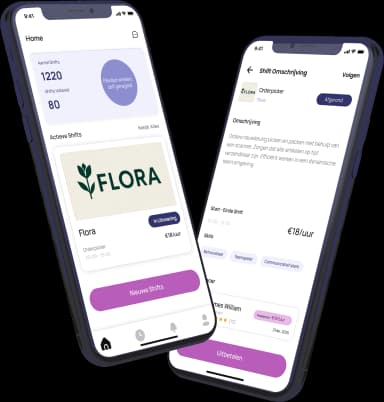
Download the HFS Freelancers app and discover flexible shifts in your area. Or explore more terms in our knowledge base.