Travel time refers to the hours you spend traveling to and from a client's site or a meeting location. For freelancers, managing this time is a key part of business logistics.
What is Travel time?
Travel time is the period spent commuting to a client's office, a project site, or a meeting venue. It's distinct from the actual work performed. For freelancers, this is often non-billable unless specifically agreed upon in a contract.
Why is this important?
It's important because time is your primary asset. Unpaid travel can significantly reduce your effective hourly rate. Clearly defining travel time policies prevents misunderstandings and ensures you are compensated fairly for all time dedicated to a client.
How does it work?
You should track all travel time like any other work hour. Discuss it with clients upfront. Common approaches include billing a partial or full hourly rate, charging a flat travel fee, or including an allowance in your project quote.
Pros and cons
A key pro is that billing for travel values your total time commitment. It can also discourage unnecessary in-person meetings. A con is that some clients may resist paying for it, potentially making your bids less competitive if you include it.
Conclusion
Travel time is a real cost of doing business. By setting clear expectations and policies from the start, you protect your income and professional boundaries. Always address it in your contracts or initial discussions.
Ready to freelance?
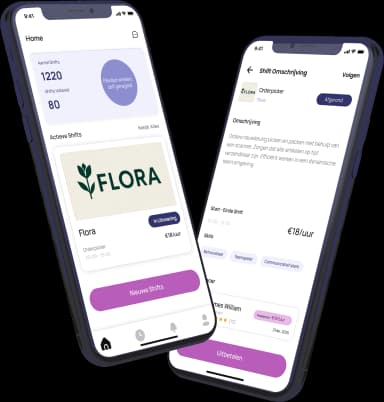
Download the HFS Freelancers app and discover flexible shifts in your area. Or explore more terms in our knowledge base.