In freelancing, transport is the process of moving your work or client relationships. It's a strategic action to ensure your business remains stable and can grow independently.
What is Transport?
Transport is the act of moving a freelance project, ongoing work, or an entire client relationship from one place to another. This often means transitioning work found via platforms to a direct, long-term arrangement. It's about securing your business assets beyond any single marketplace or job source.
Why is this important?
It's crucial for reducing risk and building a sustainable business. If you rely solely on one platform, changes to its rules or fees can hurt your income. Transporting clients gives you more control, better margins, and a direct relationship, making your freelance career more resilient.
How does it work?
You first establish trust with a client on a platform. Then, you propose continuing the work directly, often highlighting benefits like cost savings or streamlined communication. This requires checking the platform's terms of service to ensure compliance. Finally, you set up new payment and communication channels.
Pros and cons
The pros include higher earnings by avoiding platform fees, stronger client relationships, and more business control. The cons involve potential violation of platform rules, losing platform protections, and the administrative work of managing invoices and contracts yourself.
Conclusion
Transport is a smart strategy for experienced freelancers looking to build an independent practice. It should be done ethically and in line with any agreements you have. Mastering this process is a step toward a more secure and profitable freelance business.
Ready to freelance?
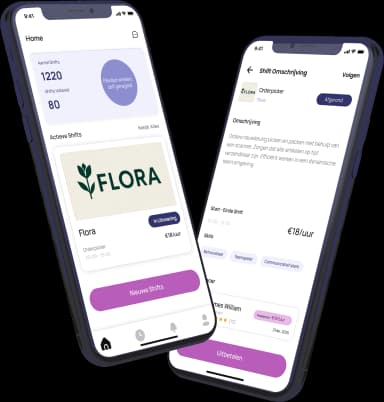
Download the HFS Freelancers app and discover flexible shifts in your area. Or explore more terms in our knowledge base.