A transition payment is a fee charged when you move a client relationship from a freelance platform to a direct arrangement. It's a crucial financial and contractual concept for independent workers.
What is Transition payment?
A transition payment is a one-time fee. It is paid when a freelancer and a client, who met through a platform, decide to work together directly. This fee compensates the platform for the lost commission on future work from that client relationship.
Why is this important?
Understanding this fee protects you from contract violations. Many platforms have rules about taking clients off their site. Knowing the cost helps you decide if moving a project direct is financially worthwhile for your business.
How does it work?
Typically, the fee is a percentage of the estimated project value or a multiple of the platform's standard commission. The payment is often triggered when you invoice the same client directly within a set period, like 12-24 months after your last platform interaction.
Pros and cons
The main pro is gaining long-term client control and avoiding platform fees. The key cons are the upfront cost and potential for violating terms of service if not handled correctly. Always review your platform agreement first.
Conclusion
A transition payment is a standard business mechanism on many freelance platforms. It represents a calculated cost for gaining independence with a client. Always factor this fee into your decision to take a relationship direct.
Ready to freelance?
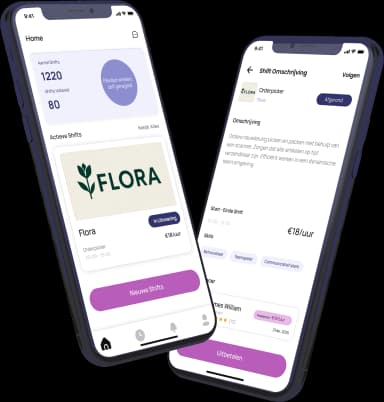
Download the HFS Freelancers app and discover flexible shifts in your area. Or explore more terms in our knowledge base.