Temporary hire is a common term in the freelance world. It describes a short-term work arrangement for a specific project or time period.
What is Temporary hire?
A temporary hire is when a client brings you on for a specific, limited-duration project or role. You are not a permanent employee. This arrangement is based on a defined scope of work, timeline, and deliverables, often formalized in a contract.
Why is this important?
Understanding this concept is crucial for freelancers. It defines the nature of your working relationship and sets clear expectations from the start. It helps you manage your pipeline, knowing each engagement has a defined end point.
How does it work?
You are typically engaged for a set number of hours, weeks, or until a project milestone is met. You find these opportunities via platforms, networking, or agencies. Payment is agreed upfront, often as a fixed project fee or an hourly rate.
Pros and cons
The pros include flexibility, diverse experience, and clear project boundaries. The cons can be income instability, constant client hunting, and potentially less integration with a team. It's a trade-off between autonomy and security.
Conclusion
Temporary hiring is a fundamental model for freelance work. It offers a structured way for businesses to access skills and for professionals to work flexibly. Success requires clear contracts and proactive career management.
Ready to freelance?
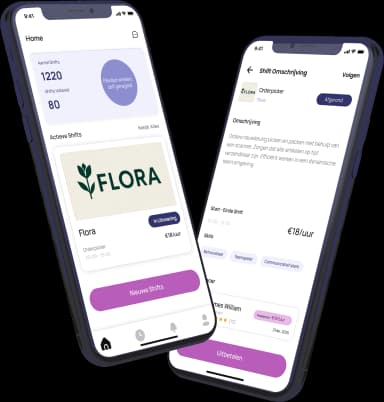
Download the HFS Freelancers app and discover flexible shifts in your area. Or explore more terms in our knowledge base.