A temporary contract is a common work arrangement for freelancers. It defines a project or role with a specific, pre-agreed end date or completion milestone.
What is Temporary contracts?
A temporary contract is a formal agreement for work that lasts for a defined period. This could be a set number of weeks, months, or until a specific project is delivered. It's not a permanent, open-ended employment relationship. For freelancers, it's the standard way to secure and define most client engagements.
Why is this important?
Understanding temporary contracts is crucial for managing your freelance business. They provide clarity on your income timeline and project scope. A well-written contract protects you legally and financially. It sets clear expectations for deliverables, payment, and the working relationship with your client.
How does it work?
You and a client agree on the work scope, duration, rate, and key terms. This is formalized in a written contract, which you might find via platforms or direct networking. You complete the work within the agreed timeframe. Upon completion, the contract ends, and you may seek a new project or renewal.
Pros and cons
The main advantages are flexibility, variety of work, and clear project boundaries. Key drawbacks include income uncertainty between contracts and the constant need to find new clients. You also typically don't receive benefits like paid leave or pensions that permanent employees might get.
Conclusion
Temporary contracts are the foundation of freelance work. Mastering them helps you build a sustainable and professional independent career. Always ensure your contract clearly outlines the work, deadlines, and payment to avoid misunderstandings.
Ready to freelance?
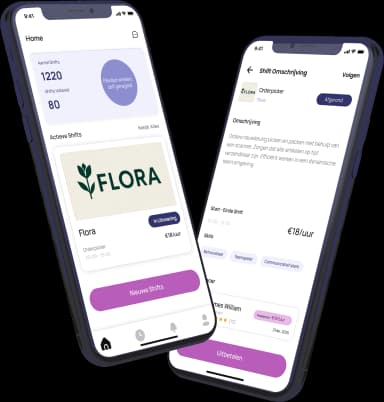
Download the HFS Freelancers app and discover flexible shifts in your area. Or explore more terms in our knowledge base.