A temporary assignment is a common type of freelance work. It's a project-based or fixed-duration contract for a specific task or need.
What is Temporary assignment?
A temporary assignment is a short-term work engagement. You are hired for a specific project or to fill a role for a limited period, such as weeks or months. It's not a permanent employment position. The work ends when the project is complete or the term expires.
Why is this important?
For freelancers, temporary assignments are the core of your business. They provide income and help you build a diverse portfolio. Understanding these contracts is crucial for managing your workflow and client expectations. They define the scope and duration of your professional engagements.
How does it work?
You typically find these assignments via platforms, networking, or direct client outreach. Once hired, you agree on a scope, deadline, and payment terms outlined in a contract. You complete the defined work independently. Finally, you deliver the results, invoice the client, and the assignment concludes.
Pros and cons
Key advantages include flexibility, variety in work, and the chance to test different industries. Potential downsides are income instability between gigs, constantly needing to find new clients, and often lacking benefits like paid leave or health insurance that permanent employees receive.
Conclusion
Temporary assignments are fundamental to the freelance lifestyle. They offer freedom and project diversity but require proactive business management. Success depends on clearly defining terms and consistently delivering quality work to build lasting client relationships.
Ready to freelance?
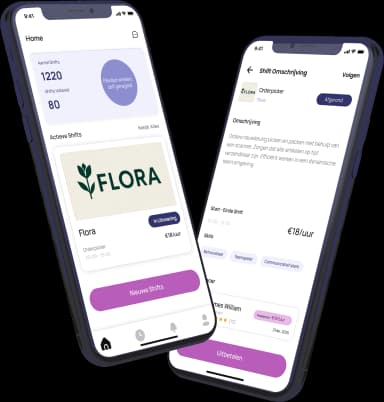
Download the HFS Freelancers app and discover flexible shifts in your area. Or explore more terms in our knowledge base.