Temp work, or temporary work, is a cornerstone of the freelance economy. It involves taking on short-term contracts or gigs for a defined period.
What is Temp work?
Temp work is employment for a fixed, short-term period. For freelancers, this means project-based contracts or gigs that last from a few hours to several months. It's distinct from permanent, ongoing roles.
Why is this important?
It provides crucial flexibility and cash flow. For you as a freelancer, it fills gaps between major projects, helps build a diverse portfolio quickly, and allows you to test different industries or roles without long-term commitment.
How does it work?
You typically find temp work via platforms, agencies, or networking. You agree on a scope, duration, and rate with a client. Once the contract ends, the working relationship concludes unless extended or a new project begins.
Pros and cons
Key advantages include flexibility, quick income, and portfolio building. The main downsides are income instability, constant job searching, and often fewer benefits compared to long-term retainers.
Conclusion
Temp work is a vital strategy for building a resilient freelance career. It offers immediate opportunities and experience. Balancing temp gigs with longer contracts can create a stable and dynamic income stream.
Ready to freelance?
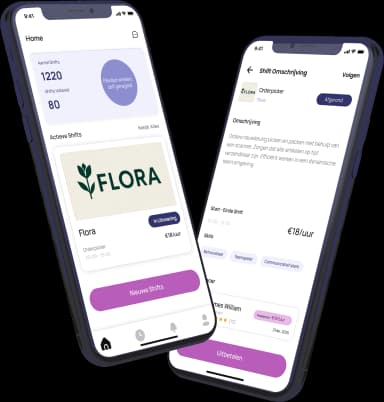
Download the HFS Freelancers app and discover flexible shifts in your area. Or explore more terms in our knowledge base.