In the freelance world, a substitute worker is a professional who steps in to cover another worker's duties. This role is common when a primary contractor is unavailable due to illness, vacation, or other commitments.
What is Substitute worker?
A substitute worker is an independent contractor hired to temporarily perform the duties of another worker. They maintain continuity for a client when the original freelancer or employee is absent. The role can be short-term or project-based.
Why is this important?
This role is crucial for maintaining project momentum and client satisfaction. For you as a freelancer, it offers a way to gain experience, build your network, and secure income between larger projects. It highlights the flexibility of freelance work.
How does it work?
You are typically hired directly by a client or through another freelancer. The original contractor or client briefs you on the project status and expectations. You then complete the assigned tasks for the agreed-upon duration before handing back control.
Pros and cons
Key advantages include quick access to work, valuable networking, and skill diversification. Potential downsides are short-term uncertainty, possible knowledge gaps about the project, and the need to adapt quickly to existing workflows.
Conclusion
Being a substitute worker is a strategic way to build your freelance career. It provides immediate opportunities and demonstrates your reliability. Understanding this role helps you navigate the temporary assignments common in contract work.
Ready to freelance?
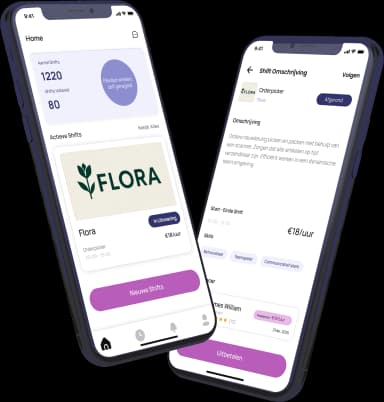
Download the HFS Freelancers app and discover flexible shifts in your area. Or explore more terms in our knowledge base.