If you're freelancing, you're likely operating as a sole proprietorship. It's the most common and straightforward business structure for independent workers.
What is Sole proprietorship?
A sole proprietorship is a business owned and run by one person. There is no legal distinction between you and your business. You are personally responsible for all its profits, debts, and liabilities.
Why is this important?
It's the default status for most freelancers starting out. Understanding it clarifies your tax obligations and legal responsibilities. It's crucial for managing your finances and knowing your personal risk.
How does it work?
You typically don't need to file formal paperwork to create one. You report business income and expenses on your personal tax return. You may need to register a 'Doing Business As' name if you operate under a trade name.
Pros and cons
Key advantages are simplicity, low cost, and full control. The major disadvantage is unlimited personal liability, meaning your personal assets are at risk for business debts. It can also be harder to raise capital.
Conclusion
A sole proprietorship is a practical starting point for many freelancers due to its simplicity. As your business grows, you may consider other structures to limit liability. Always consult a professional for advice tailored to your situation.
Ready to freelance?
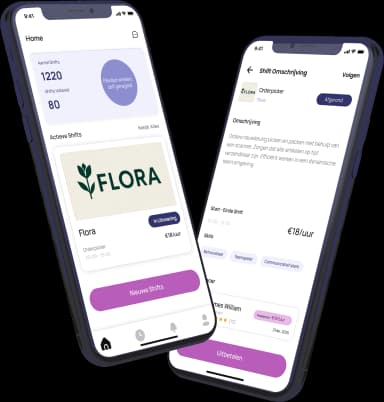
Download the HFS Freelancers app and discover flexible shifts in your area. Or explore more terms in our knowledge base.