Software is the foundation of modern freelance work. It's the set of programs and applications you use to create, manage, and deliver your services.
What is Software?
Software is the collection of programs, data, and instructions that tell a computer what to do. It's the opposite of hardware, which is the physical machine. Common examples include your operating system, web browser, word processor, and specialized design or coding tools.
Why is this important?
For freelancers, software is your primary toolkit. It's how you create your deliverables, manage projects, invoice clients, and market your services. The right software stack directly impacts your efficiency, professionalism, and ability to compete for projects via platforms or networking.
How does it work?
You install software on your device or access it online. You then use its interface to input commands. The software processes these commands using its underlying code, performing tasks like editing a document, rendering a video, or tracking your time. The output is your finished work or business data.
Pros and cons
Key pros include massive efficiency gains, access to professional tools, and streamlined client collaboration. Potential cons are cost for premium tools, a learning curve for new software, and reliance on stable internet or devices for cloud-based applications.
Conclusion
Understanding and strategically selecting software is a core business skill for freelancers. It transforms your expertise into a scalable service. Invest time in choosing tools that fit your workflow and budget to build a more productive and profitable business.
Ready to freelance?
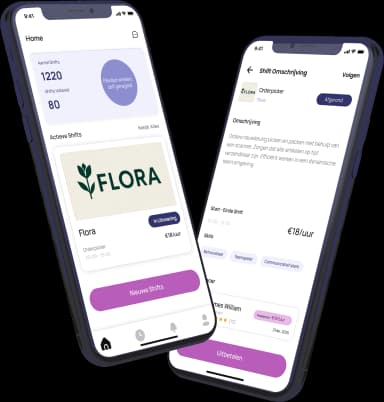
Download the HFS Freelancers app and discover flexible shifts in your area. Or explore more terms in our knowledge base.