Soft skills are the non-technical, interpersonal abilities that determine how you work and interact with others. For freelancers, they are just as critical as hard skills.
What is Soft skills?
Soft skills are your interpersonal and self-management abilities. They include communication, time management, problem-solving, adaptability, and emotional intelligence. Unlike hard skills, they are not tied to a specific job but are transferable across all professions.
Why is this important?
For freelancers, soft skills are your business foundation. They help you win clients via platforms, negotiate contracts, manage projects smoothly, and handle feedback. Strong soft skills lead to repeat business and positive referrals, which are essential for a sustainable career.
How does it work?
You apply soft skills in every client interaction. Clear communication sets project expectations. Time management ensures you meet deadlines. Problem-solving helps you navigate unexpected challenges. Empathy allows you to understand client needs and build trust.
Pros and cons
The pros are clear: better client relationships, higher project success rates, and a stronger professional reputation. The main con is that these skills can be harder to quantify and develop systematically compared to technical skills, requiring conscious practice and self-reflection.
Conclusion
Mastering soft skills is non-negotiable for freelance success. They complement your technical expertise and are often the deciding factor for clients. Investing in these abilities will directly boost your career longevity and satisfaction.
Ready to freelance?
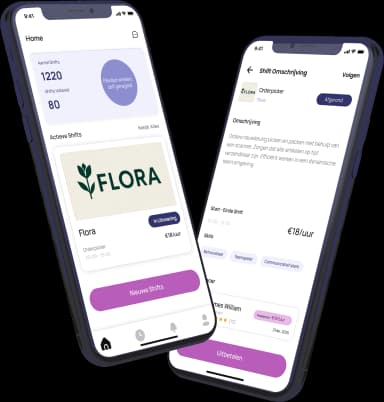
Download the HFS Freelancers app and discover flexible shifts in your area. Or explore more terms in our knowledge base.