Social proof is a powerful psychological principle where people look to others' behavior to guide their own decisions. In freelancing, it's essential for establishing trust.
What is Social proof?
Social proof is a psychological phenomenon where individuals assume the actions of others reflect correct behavior. In simple terms, it's the idea that 'if others trust it, so can I.' For freelancers, this translates to using evidence of past client satisfaction to influence potential new clients.
Why is this important?
For freelancers, you are your own brand. Clients often take a risk hiring someone they don't know. Social proof reduces this perceived risk by providing tangible evidence of your reliability and skill. It builds instant credibility and can be the deciding factor in winning a project.
How does it work?
It works by showcasing validation from others. Common forms include client testimonials and reviews on your profile, a strong portfolio of past work, case studies detailing successful projects, and public recognition like awards or media mentions. Even your number of repeat clients serves as powerful social proof.
Pros and cons
The pros are clear: it builds trust, justifies your rates, and helps you win projects faster. However, the cons include the initial challenge of gathering proof when you're new. Also, a single negative review can have a disproportionate impact, so managing your reputation is crucial.
Conclusion
Social proof is not just a marketing tactic; it's a fundamental element of a sustainable freelance business. By consistently collecting and showcasing positive client feedback and successful work, you create a cycle of trust that attracts more opportunities. Start building yours today.
Ready to freelance?
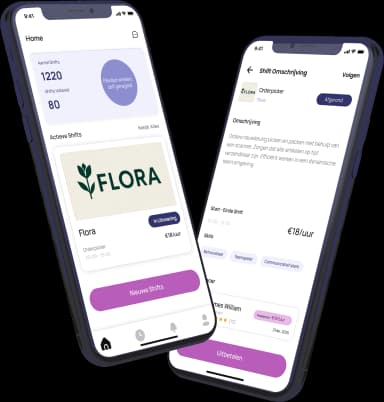
Download the HFS Freelancers app and discover flexible shifts in your area. Or explore more terms in our knowledge base.