A Social Insurance Bank is a government institution that manages mandatory social security contributions. For freelancers, understanding it is vital for your future financial safety net.
What is Social Insurance Bank?
A Social Insurance Bank is a state-run financial institution. Its core function is to collect mandatory social security contributions and manage payouts for state pensions, disability benefits, and other social insurance programs. It acts as a public safety net funded by workers and employers.
Why is this important?
As a freelancer, you don't have an employer managing your pension contributions. Engaging with the Social Insurance Bank ensures you build entitlement to a state pension and other benefits like sickness or maternity pay. It's a foundational step for your long-term financial security.
How does it work?
You typically register as self-employed with the relevant national authority. You then make regular contributions based on your declared income. These payments are recorded, and they determine your eligibility and the future value of your state pension and other benefits when you retire or need them.
Pros and cons
Key pros include guaranteed access to a state pension and critical social benefits, providing a baseline of security. The main cons are that the pension may be relatively low, and contributions are mandatory, which can be a significant fixed cost for new or low-earning freelancers.
Conclusion
Understanding your local Social Insurance Bank is non-negotiable for responsible freelancing. It secures your basic retirement income and protects against life's uncertainties. Always factor these mandatory contributions into your business finances from the start.
Ready to freelance?
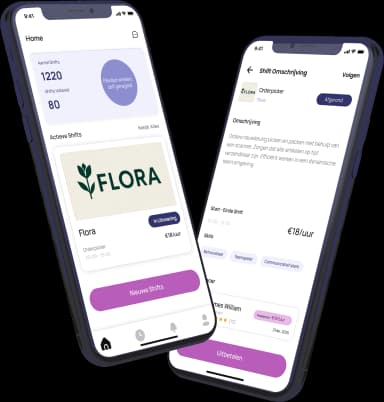
Download the HFS Freelancers app and discover flexible shifts in your area. Or explore more terms in our knowledge base.