An SLA, or Service Level Agreement, is a core contract for freelancers. It clearly outlines what you will deliver, by when, and to what standard.
What is SLA?
An SLA is a Service Level Agreement. It's a formal contract between you and a client that defines the scope, quality, and timeline of your work. It sets measurable standards for deliverables, response times, and revision policies.
Why is this important?
An SLA protects you from scope creep and unclear expectations. It provides a clear reference point if a client requests endless revisions or disputes a deadline. This formalizes the professional relationship and manages risk for both parties.
How does it work?
You and the client agree on key metrics before work begins. These often include delivery dates, number of revision rounds, communication response times, and quality benchmarks. The SLA is then attached to your main contract or statement of work.
Pros and cons
The pros are clear expectations, professional credibility, and a framework for resolving disputes. The potential cons are that creating one takes time, and overly rigid SLAs can limit flexibility for small, simple projects.
Conclusion
An SLA is a fundamental tool for professional freelancing. It transforms vague promises into accountable, measurable agreements. Using one demonstrates professionalism and safeguards your time and work quality.
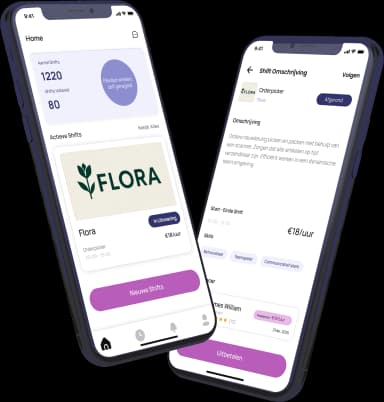
Ready to freelance?
Download the HFS Freelancers app and discover flexible shifts in your area. Or explore more terms in our knowledge base.