A side job is secondary work you do to earn extra income. For freelancers, it often serves as a crucial first step into self-employment.
What is Side job?
A side job is work you do in addition to your main source of income. It's often part-time, flexible, and can be project-based. In freelancing, it's work taken on while you still have a primary job or other commitments.
Why is this important?
For new freelancers, a side job is a low-risk way to enter the market. It allows you to build a portfolio, gain experience, and test client demand without the immediate pressure of full self-employment. It provides a financial safety net during the transition.
How does it work?
You find and complete freelance projects outside your regular working hours. This can be done via online platforms, personal networking, or direct outreach. You manage your own time, deliverables, and client communication for these separate gigs.
Pros and cons
Key advantages include extra income, skill development, and portfolio building with reduced financial risk. The main challenges are managing time effectively, potential burnout from juggling multiple roles, and sometimes lower initial project rates as you build reputation.
Conclusion
A side job is a practical strategy for launching or supplementing a freelance career. It provides a valuable testing ground and income stream. Managing it well requires clear boundaries and time management to ensure success in both roles.
Ready to freelance?
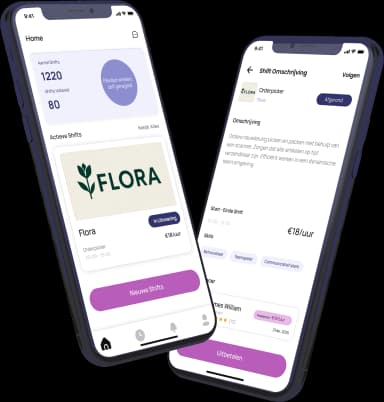
Download the HFS Freelancers app and discover flexible shifts in your area. Or explore more terms in our knowledge base.