A sickness act freelancer refers to how you manage work and income when you fall ill. Unlike employees, you typically have no automatic right to paid sick leave.
What is Sickness act freelancer?
It's not a formal title but a concept describing a freelancer's situation under sickness or disability laws. It highlights that you are responsible for your own income if you cannot work due to illness, as you are your own business.
Why is this important?
This is crucial because illness can stop your income instantly. Without a plan, a single sick week can disrupt your finances. Understanding this helps you prepare and protect your freelance business from unexpected health issues.
How does it work?
You must create your own safety net. Common methods include building a financial buffer, securing private income protection insurance, or negotiating sick pay clauses into client contracts. Your approach depends on your location and business structure.
Pros and cons
The main advantage is complete control over your coverage and terms. Key drawbacks include the cost and effort to set it up yourself, and the risk of having no income if you are unprepared. Planning is essential but requires upfront investment.
Conclusion
As a freelancer, proactively managing sickness risk is a core business duty. Investigate options like insurance and emergency savings to create your personal safety net. This planning ensures your livelihood is protected when you need to focus on recovery.
Ready to freelance?
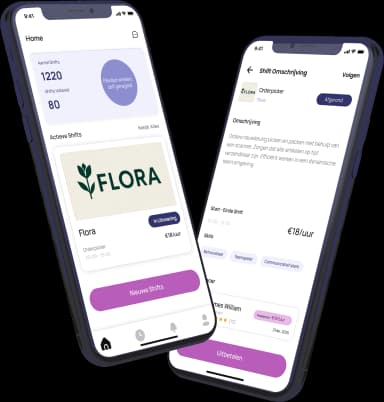
Download the HFS Freelancers app and discover flexible shifts in your area. Or explore more terms in our knowledge base.