Sick leave replacement is a business continuity strategy for freelancers. It involves finding a qualified substitute to handle your client work when you are unexpectedly unable to work due to illness or injury.
What is Sick leave replacement?
Sick leave replacement is the practice of temporarily subcontracting your client work to another professional. This happens when you, as a freelancer, are sick or injured and cannot meet your deadlines. The replacement steps in to ensure the project continues smoothly without disruption for your client.
Why is this important?
For freelancers, your reputation relies on reliability. Getting sick can jeopardize deadlines and client trust. Having a replacement plan protects your income and professional relationships. It shows clients you are a serious business that plans for contingencies.
How does it work?
You typically arrange this in advance by building a network of trusted peers. When you fall ill, you contact a suitable replacement, brief them on the project, and manage the handover. Clear communication with your client about the arrangement is essential for transparency.
Pros and cons
The main advantages are maintaining client trust, meeting deadlines, and securing your income. Key challenges include finding a reliable and skilled substitute, managing the handover efficiently, and ensuring the replacement aligns with your quality standards and rates.
Conclusion
Sick leave replacement is a smart business practice for any serious freelancer. It transforms a personal setback into a managed professional process. Planning for this contingency is a key step in building a resilient and client-focused independent business.
Ready to freelance?
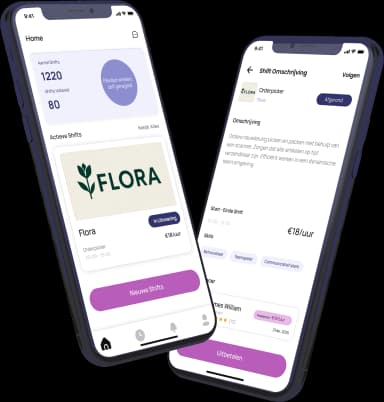
Download the HFS Freelancers app and discover flexible shifts in your area. Or explore more terms in our knowledge base.