A shift schedule is a structured timetable for your work. For freelancers, it often means committing to specific hours for a client or project.
What is Shift schedule?
A shift schedule is a pre-planned timetable that dictates your specific work hours. Unlike a standard 9-to-5, it can involve rotating or fixed blocks of time. In freelancing, you might follow a client's required hours or create your own structured routine.
Why is this important?
It's crucial for managing client expectations and your own productivity. A clear schedule helps you avoid burnout by separating work from personal time. It also makes you more reliable for clients who need coverage during specific hours.
How does it work?
You agree on specific hours with a client, often for ongoing support or collaborative projects. Alternatively, you create your own shift schedule to batch similar tasks. This structure is common in roles like customer support, writing, or virtual assistance.
Pros and cons
The pros include predictable income, clear boundaries, and focused work blocks. The cons are less flexibility, potential for monotony, and difficulty accommodating last-minute personal needs. It requires good time management discipline.
Conclusion
A shift schedule brings structure to freelance work. It can boost reliability and focus but may reduce spontaneity. Choosing this model depends on your work style and client needs.
Ready to freelance?
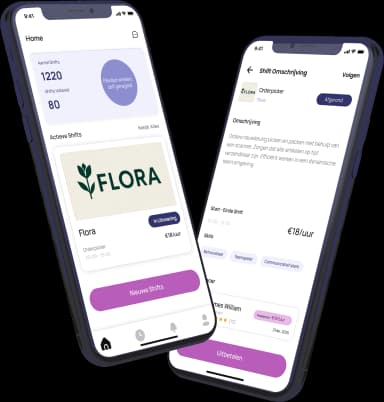
Download the HFS Freelancers app and discover flexible shifts in your area. Or explore more terms in our knowledge base.