Shift planning is a time management method for freelancers. It involves scheduling specific blocks of time, or 'shifts', for different clients or tasks.
What is Shift planning?
Shift planning is the practice of organizing your workday into defined time blocks. Each block, or shift, is dedicated to a specific client, project, or type of task. This creates a structured schedule similar to traditional employment, but you control the timing.
Why is this important?
For freelancers, time is your primary asset. Effective shift planning prevents overbooking and burnout. It helps you meet deadlines reliably, manage multiple income streams, and create a better work-life balance by separating work time from personal time.
How does it work?
You start by blocking out time in your calendar for confirmed client work. Then, you can add shifts for business development, admin tasks, and breaks. Tools like digital calendars or specialized apps help you visualize and stick to your planned shifts throughout the week.
Pros and cons
The main pros are increased productivity, clear boundaries, and predictable income management. Potential cons include reduced flexibility for last-minute requests and the need for discipline to adhere to your own schedule. It works best when you communicate your availability clearly to clients.
Conclusion
Shift planning is a powerful tool for bringing structure to freelance work. By dedicating time blocks to specific tasks, you gain control over your schedule and output. It's a foundational practice for sustainable freelancing.
Ready to freelance?
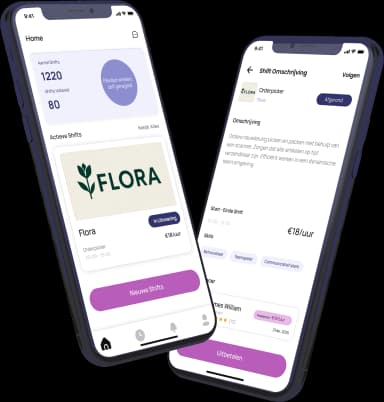
Download the HFS Freelancers app and discover flexible shifts in your area. Or explore more terms in our knowledge base.