Being self-employed without staff is a common business structure for freelancers. It means you work for yourself and are solely responsible for your business.
What is Self-employed without staff?
It's a legal and tax status where you run your own business as a sole individual. You are not an employee, and you do not hire any employees. You are the sole owner and worker. This is often called a sole trader or sole proprietor.
Why is this important?
This status defines your legal and financial responsibilities. It affects how you pay taxes, handle liability, and register your business. Understanding it is crucial for compliance and making informed decisions about your freelance operation.
How does it work?
You find clients via platforms or networking and provide services directly. You invoice clients for your work and are responsible for all business income and expenses. You must register as self-employed with tax authorities and file an annual tax return.
Pros and cons
Key advantages include full control, simple setup, and keeping all profits. The main downsides are unlimited personal liability for debts and the burden of managing all business tasks alone, from admin to finding work.
Conclusion
Being self-employed without staff is the foundation for many freelancers. It offers simplicity and autonomy but requires you to wear all hats. Properly understanding this status helps you build a stable and compliant freelance business.
Ready to freelance?
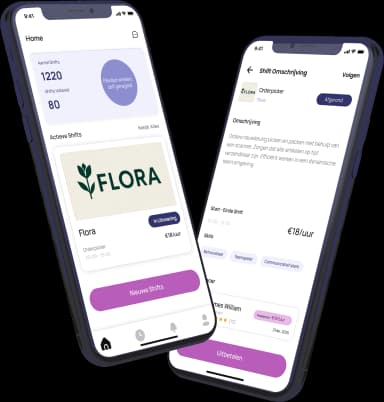
Download the HFS Freelancers app and discover flexible shifts in your area. Or explore more terms in our knowledge base.