Saving is a fundamental financial practice for freelancers. It involves deliberately setting aside money from your irregular income to build security and achieve future goals.
What is Saving?
For freelancers, saving means reserving a portion of your income for future use instead of spending it all. This is not just for personal goals but a critical business practice. It creates a financial buffer for taxes, slow periods, and unexpected expenses.
Why is this important?
Freelance income is often unpredictable. Saving provides stability during gaps between projects or client payment delays. It also ensures you have funds to cover business taxes, invest in new skills, or handle emergencies without going into debt.
How does it work?
You start by calculating a target percentage of each payment to save, often 20-30%. Automate transfers to separate savings accounts as soon as you get paid. Categorize savings into different pots for taxes, emergency funds, and retirement to stay organized.
Pros and cons
The main pros are peace of mind, financial independence, and the ability to invest in your growth. The primary con is the discipline required, as it reduces immediate disposable income, which can be challenging when starting out or during lean months.
Conclusion
Saving is non-negotiable for a sustainable freelance career. It transforms variable income into reliable financial security. Start small, be consistent, and watch your safety net grow alongside your business.
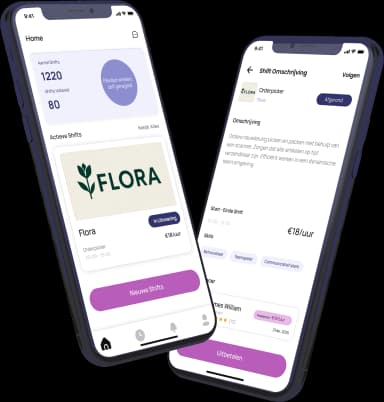
Ready to freelance?
Download the HFS Freelancers app and discover flexible shifts in your area. Or explore more terms in our knowledge base.