Retail trade is the process of selling goods directly to the end consumer. It's a massive global industry that relies heavily on freelance talent.
What is Retail trade?
Retail trade, or simply retail, is the final step in the supply chain where businesses sell products directly to consumers for personal use. This includes everything from physical stores and supermarkets to online ecommerce shops. The core function is to make goods available and convenient for the end user.
Why is this important?
For freelancers, the retail sector is a major source of projects. Brands constantly need external help with digital storefronts, marketing campaigns, inventory systems, and customer service solutions. Understanding retail helps you tailor your services to meet the specific needs of these businesses.
How does it work?
Retailers purchase goods from manufacturers or wholesalers and sell them at a markup. The process involves key stages like inventory management, merchandising, marketing, sales transactions, and customer support. Freelancers often support these stages through specialized services like web development, content creation, or data analysis.
Pros and cons
Working in retail trade offers steady demand and diverse project types, from seasonal campaigns to long-term platform development. However, it can be highly competitive and subject to fast-changing consumer trends, requiring you to stay adaptable. Tight deadlines around sales events are also common.
Conclusion
Retail trade is a dynamic field full of opportunity for skilled freelancers. By understanding how retailers operate, you can better position your services to solve their challenges. This knowledge is key to building a successful freelance business in this sector.
Ready to freelance?
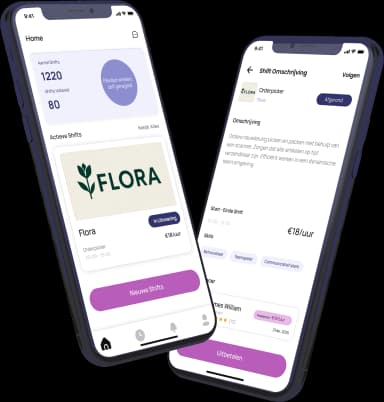
Download the HFS Freelancers app and discover flexible shifts in your area. Or explore more terms in our knowledge base.