Retail is the final step in the supply chain where businesses sell products directly to consumers. As a freelancer, understanding this sector opens doors to numerous client opportunities.
What is Retail?
Retail involves selling goods or services directly to the end customer for personal use. This can happen through physical stores, online websites, or a combination of both, known as omnichannel retail. It's the business-to-consumer (B2C) segment of commerce.
Why is this important?
The retail industry is a massive source of freelance work. Brands constantly need external talent for projects like website design, digital marketing, content creation, and IT support. Understanding retail helps you tailor your services to their specific needs and seasonal cycles.
How does it work?
Retailers source products, manage inventory, and sell to customers. Freelancers engage by offering specialized skills. You might be hired directly by a brand, through an agency, or via platforms to complete a project, such as designing a product page or running a social media campaign.
Pros and cons
Working in retail offers high demand and diverse projects, from small boutiques to large chains. However, it can be fast-paced with tight deadlines, especially during peak seasons like holidays. Clients may also have strict brand guidelines you must follow.
Conclusion
Retail is a dynamic and accessible sector for freelancers. By understanding its consumer-focused nature, you can effectively market your skills. It provides a steady stream of projects for those who can adapt to its rhythms.
Ready to freelance?
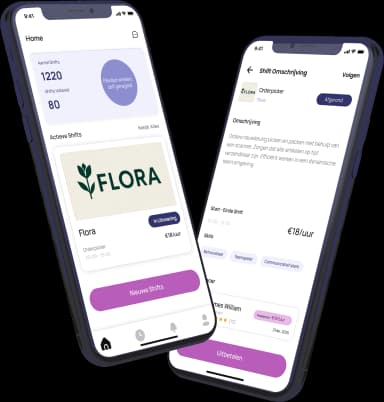
Download the HFS Freelancers app and discover flexible shifts in your area. Or explore more terms in our knowledge base.