A REST API is a standard way for different software applications to talk to each other over the internet. It's a foundational concept in modern web and mobile development that you'll likely encounter.
What is REST API?
REST API stands for Representational State Transfer Application Programming Interface. In simple terms, it's a set of rules that lets one piece of software request data or actions from another. Think of it as a waiter taking your order (the request) to the kitchen (the server) and bringing back your food (the response).
Why is this important?
For freelancers, especially in web and app development, understanding REST APIs is a highly marketable skill. Clients often need to connect their website to external services like payment gateways, maps, or social media. Knowing how to work with APIs allows you to build these integrations, making you more valuable.
How does it work?
A REST API works using standard web protocols. Your application sends an HTTP request (like GET to retrieve data or POST to send data) to a specific URL. The API server processes this request and sends back a response, usually in a format like JSON, which your application can then use.
Pros and cons
Key advantages include simplicity, scalability, and language independence, making APIs very flexible. The main challenges can be a lack of real-time communication in some cases and the need for clients to understand the specific API's documentation to use it correctly.
Conclusion
Grasping REST API basics is essential for modern development freelancing. It's a core skill for building connected, feature-rich applications. Adding this to your toolkit can significantly expand the types of projects you can confidently take on.
Ready to freelance?
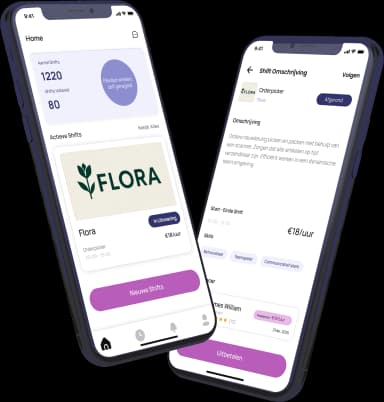
Download the HFS Freelancers app and discover flexible shifts in your area. Or explore more terms in our knowledge base.