Responsive design is a web development approach. It creates sites that automatically adjust their layout to fit any screen size or device.
What is Responsive design?
Responsive design is a method for building websites. The goal is to make web pages render well on a variety of devices, from desktop monitors to mobile phones. It uses flexible grids, images, and CSS media queries to achieve this fluid adaptation.
Why is this important?
For you as a freelancer, it's a non-negotiable skill. Clients expect their sites to work perfectly everywhere. Mastering responsive design makes you more marketable and allows you to deliver a better user experience, which is critical for modern projects.
How does it work?
It works through a combination of flexible layouts and CSS media queries. These queries detect the visitor's screen size and orientation. The site's CSS then applies different style rules to rearrange content, resize images, and adjust navigation for that specific viewport.
Pros and cons
The key advantages are a single codebase for all devices, improved SEO, and a better user experience. The main challenges can be slightly longer initial development time and the need for thorough testing across many screen sizes to ensure perfection.
Conclusion
Responsive design is a fundamental standard in web development. As a freelancer, understanding and implementing it is essential for your success. It ensures the websites you build are functional, accessible, and professional on every device a client's audience might use.
Ready to freelance?
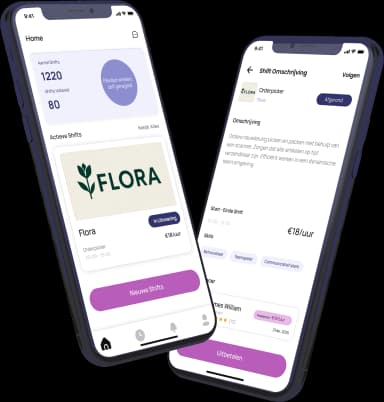
Download the HFS Freelancers app and discover flexible shifts in your area. Or explore more terms in our knowledge base.