Remote working is a fundamental model for modern freelancers. It means you complete your projects from a location of your choice, not a client's office.
What is Remote working?
Remote working is a work arrangement where you perform your job duties from a location outside a traditional central office. For freelancers, this typically means working from home, a co-working space, or any other place with an internet connection. The key is using digital tools to communicate and deliver work to clients.
Why is this important?
It's crucial because it defines the modern freelance landscape. Remote work opens a global talent pool for clients and a global job market for you. It provides the foundational flexibility that attracts many people to freelancing in the first place, allowing for better work-life integration.
How does it work?
You secure projects via platforms or networking, then use technology to collaborate. Communication happens through email, video calls, and messaging apps. You manage your own schedule and workspace, delivering completed work digitally. Payment is also handled online through various transfer methods.
Pros and cons
The advantages include flexibility, no commute, and a wider client base. The challenges can be isolation, self-discipline requirements, and potential communication hurdles. You must also manage your own tech setup and create clear boundaries between work and personal life.
Conclusion
Remote working is a defining feature of contemporary freelancing. To succeed, you need strong communication habits, reliable tools, and self-motivation. Mastering this model is key to building a sustainable and location-independent career.
Ready to freelance?
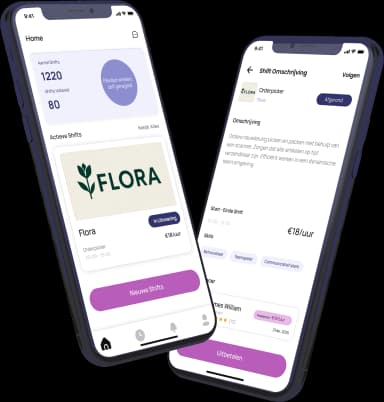
Download the HFS Freelancers app and discover flexible shifts in your area. Or explore more terms in our knowledge base.