Recovery time refers to the period you spend between finishing one project and starting the next. It's a natural part of freelancing but requires active management.
What is Recovery time?
Recovery time is the downtime or gap between freelance assignments. It starts when you deliver your final work for a client and ends when you begin your next paid project. This period includes time spent searching, pitching, and onboarding.
Why is this important?
This time directly impacts your income and stress levels. Long, unplanned recovery periods can lead to cash flow problems. Managing it well ensures you have consistent work and financial stability throughout the year.
How does it work?
You complete a project and invoice the client. The recovery phase begins immediately. You use this time for business development activities like applying for jobs via platforms, networking, or updating your portfolio to secure the next gig.
Pros and cons
A key pro is that planned recovery time allows for rest, skill development, and admin work. The major con is that unexpected, lengthy gaps hurt your earnings and can create anxiety. The goal is to minimize unproductive downtime.
Conclusion
Recovery time is an inevitable freelance metric. By anticipating it and consistently marketing your services, you can shorten these gaps. Effective management turns recovery time from a financial threat into a planned business cycle.
Ready to freelance?
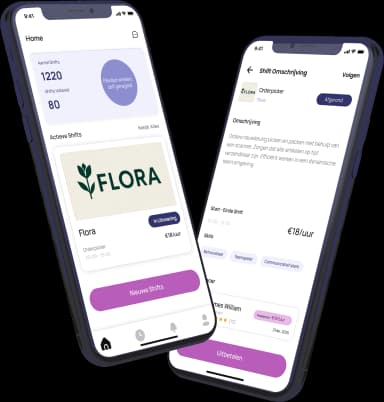
Download the HFS Freelancers app and discover flexible shifts in your area. Or explore more terms in our knowledge base.