A public limited company, or PLC, is a major type of business structure. As a freelancer, you may encounter these large corporations as potential clients.
What is Public limited company?
A public limited company (PLC) is a business that is legally separate from its owners. Its key feature is that it can offer shares of its stock for sale to the general public on a stock exchange. This structure is common for large, well-established corporations.
Why is this important?
Understanding this term is crucial because many of your high-value clients may be PLCs. Their procurement and payment processes are often more complex and formal than smaller businesses. Knowing you're dealing with a PLC helps you prepare for longer sales cycles and stricter contract terms.
How does it work?
A PLC raises capital by selling shares to investors. It has a board of directors elected by shareholders. When you contract with one, you'll typically work with a department or manager, not the owners. Invoicing and compliance follow their corporate rules.
Pros and cons
Working with PLCs offers pros like larger project budgets and prestige for your portfolio. However, cons include slower decision-making, complex legal requirements, and potentially longer payment terms, often 60 or 90 days net.
Conclusion
Recognizing a public limited company helps you navigate engagements with major corporate clients. While they offer significant opportunities, be ready for their formal processes. Tailor your approach to meet their specific needs for a successful partnership.
Ready to freelance?
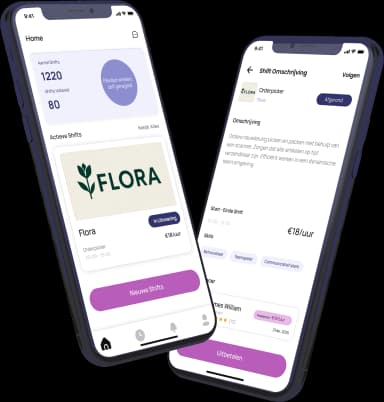
Download the HFS Freelancers app and discover flexible shifts in your area. Or explore more terms in our knowledge base.