A provisional assessment is a key tax concept for freelancers. It's a temporary calculation of your estimated annual tax bill, used to determine advance payments.
What is Provisional assessment?
A provisional assessment is a temporary tax calculation made by a tax authority. It estimates your total annual tax liability based on your projected income. You then make advance payments towards this estimated bill throughout the year, before your final tax return is filed and assessed.
Why is this important?
For freelancers, provisional assessment is crucial for cash flow management. It helps you avoid a single, large, and potentially unaffordable tax bill at the end of the financial year. By making regular advance payments, you spread the cost and reduce the risk of penalties for late payment.
How does it work?
The tax authority reviews your previous year's income or your own projections to estimate your current year's earnings. They then issue a provisional assessment notice stating your estimated tax and payment schedule, often in installments. You pay these amounts while continuing to track your actual income and expenses.
Pros and cons
The main pros are better financial planning and avoiding a large lump-sum payment. The cons include potential cash flow strain if estimates are too high, and the complexity of adjusting the assessment if your income changes significantly during the year.
Conclusion
Understanding provisional assessment is essential for freelance financial health. It's a system designed to help you manage tax obligations smoothly. Always keep accurate records and review estimates regularly to ensure they align with your actual earnings.
Ready to freelance?
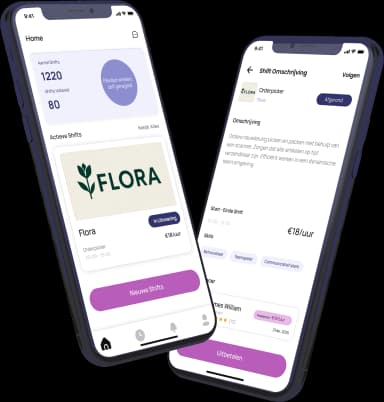
Download the HFS Freelancers app and discover flexible shifts in your area. Or explore more terms in our knowledge base.