Prototyping is a core skill for modern freelancers. It involves building a preliminary model of a product or feature to test and refine before full development.
What is Prototyping?
Prototyping is the process of creating a simple, working model of a final product. It's a tangible draft used to explore ideas, test functionality, and gather feedback. Think of it as a 'rough sketch' for apps, websites, or physical products.
Why is this important?
For freelancers, prototyping is essential for client alignment and project efficiency. It turns abstract ideas into something you can see and interact with. This reduces misunderstandings, secures client buy-in early, and prevents costly revisions later in the project.
How does it work?
You start with a basic concept, often using digital tools or simple sketches. You then build an interactive model focusing on key user flows. This prototype is shared with the client for testing and feedback, which guides the next iterations before final development begins.
Pros and cons
The main advantages are clear communication, early error detection, and stronger client relationships. Potential downsides include the time investment for creating prototypes and the risk of clients mistaking a prototype for the finished product.
Conclusion
Mastering prototyping makes you a more effective and valuable freelancer. It bridges the gap between a client's vision and the final deliverable. Integrating this step leads to smoother projects and more satisfied clients.
Ready to freelance?
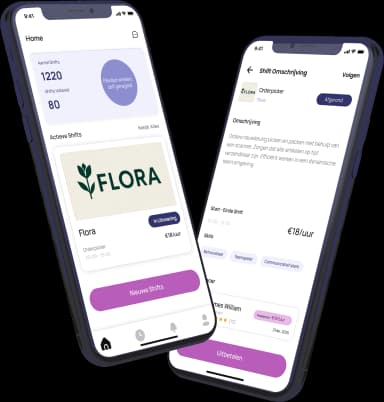
Download the HFS Freelancers app and discover flexible shifts in your area. Or explore more terms in our knowledge base.