Project work is a fundamental way freelancers operate. It involves completing a specific, defined task for a client, distinct from ongoing retainer agreements.
What is Project work?
Project work is a freelance engagement centered on a specific, defined task. It has a clear start and end point, a defined scope of work, and often a set budget or timeline. Examples include designing a website, writing a white paper, or developing a software feature.
Why is this important?
It's the most common way freelancers find work, via platforms or networking. Understanding it helps you scope accurately, price fairly, and manage client expectations. Mastering project work is key to building a sustainable freelance business and portfolio.
How does it work?
You typically agree on a project's scope, deliverables, timeline, and price with a client. You then execute the work, often providing updates. Payment is usually made upon completion or at agreed milestones, not as a recurring salary.
Pros and cons
Key advantages include clear boundaries, variety, and defined income per task. Potential downsides are income inconsistency, scope creep if not managed, and the constant need to find the next project.
Conclusion
Project work is the backbone of freelancing. By defining clear scopes and managing timelines effectively, you can turn individual projects into a thriving career. It offers flexibility and the chance to build a diverse portfolio of work.
Ready to freelance?
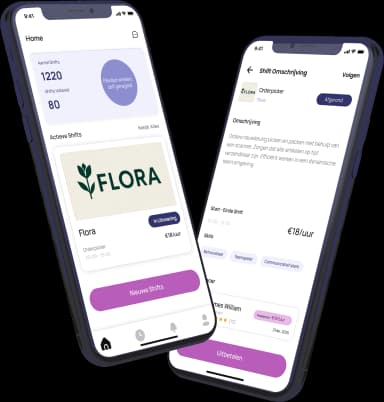
Download the HFS Freelancers app and discover flexible shifts in your area. Or explore more terms in our knowledge base.