A portfolio career is a modern work model where you manage multiple freelance roles or projects simultaneously. It's a popular strategy for building a flexible and resilient independent business.
What is Portfolio career?
A portfolio career is a work style where you have several part-time jobs, gigs, or freelance projects at the same time. Instead of one full-time employer, your income comes from a diverse 'portfolio' of clients and engagements. This approach is common among consultants, creatives, and skilled specialists.
Why is this important?
For freelancers, it's a key strategy for risk management. If one client or project ends, you still have other income sources. It also allows you to explore different interests, develop varied skills, and avoid dependency on a single employer, giving you greater control over your career path.
How does it work?
You actively secure and manage several concurrent engagements. This might mean combining writing for one client, consulting for another, and teaching an online course. You find these opportunities via platforms, networking, or your existing professional circle. Effective time management and organization are crucial to juggle the different commitments.
Pros and cons
The main advantages are income diversification, increased flexibility, and skill variety. However, the downsides include inconsistent cash flow, constant self-marketing, and potential burnout from managing multiple deadlines and client relationships without a single stable base.
Conclusion
A portfolio career offers freedom and resilience but requires discipline. It's a powerful model for freelancers who value variety and independence. Success depends on your ability to manage multiple streams of work effectively.
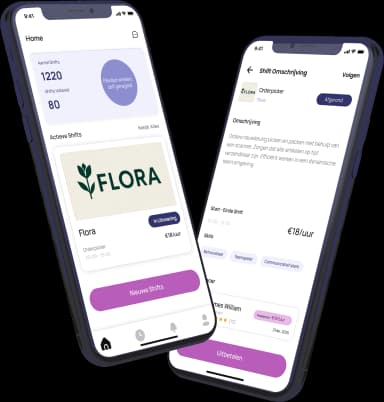
Ready to freelance?
Download the HFS Freelancers app and discover flexible shifts in your area. Or explore more terms in our knowledge base.