A portfolio is a curated collection of your best work. For freelancers, it's a vital tool to demonstrate your skills and attract clients.
What is Portfolio?
A portfolio is a curated collection of your past work samples. It acts as a visual resume, showing potential clients what you can do. It typically includes finished projects, case studies, and testimonials. This evidence is more convincing than just listing your skills.
Why is this important?
Your portfolio is your most powerful marketing tool. It provides tangible proof of your abilities, building trust with potential clients. A strong portfolio helps you stand out and can justify higher rates. It turns your experience into a compelling sales pitch.
How does it work?
You gather your best projects into a digital showcase, like a personal website or a profile on a freelancing platform. You present each piece with context, explaining the goal, your process, and the result. Clients review it to assess if your style and skills match their needs.
Pros and cons
The main pros are that a portfolio builds credibility, attracts better clients, and helps you command higher fees. The cons include the time needed to create and maintain it, and the challenge of starting one if you lack previous client work.
Conclusion
A well-crafted portfolio is non-negotiable for a successful freelance career. It bridges the gap between your claims and a client's trust. Continuously update it with your latest and greatest work to reflect your growing expertise.
Ready to freelance?
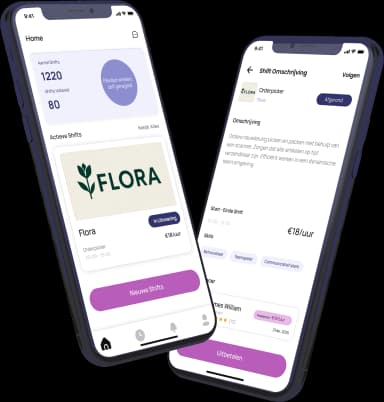
Download the HFS Freelancers app and discover flexible shifts in your area. Or explore more terms in our knowledge base.