In freelancing, platforms are digital marketplaces that connect independent professionals with clients seeking their services. They are a central hub for the modern gig economy.
What is Platforms?
A platform is an online service that acts as an intermediary between freelancers and clients. It provides a structured environment where you can create a profile, showcase your skills, and bid on or apply for projects posted by businesses and individuals.
Why is this important?
Platforms are important because they centralize the process of finding work. They give you access to a large, global pool of potential clients you might not reach otherwise. This can significantly reduce the time and effort spent on client acquisition and marketing.
How does it work?
You create a professional profile highlighting your expertise. Clients post job listings with requirements and budgets. You then submit proposals or set a service price. The platform typically handles communication, contracts, payments, and sometimes dispute resolution.
Pros and cons
Key advantages include immediate access to jobs, built-in payment protection, and streamlined project management. Common drawbacks are high competition, platform fees that reduce your earnings, and the risk of your reputation being tied to the platform's rating system.
Conclusion
Platforms are a powerful tool for launching and growing a freelance business, especially for beginners. However, they work best as part of a diversified strategy. For long-term stability, many successful freelancers combine platform work with clients found via networking or their own website.
Ready to freelance?
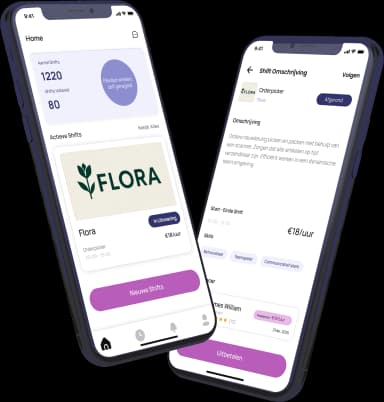
Download the HFS Freelancers app and discover flexible shifts in your area. Or explore more terms in our knowledge base.