Platform work is a core part of today's freelance landscape. It refers to finding and completing jobs through digital intermediary services.
What is Platform work?
Platform work is a form of freelancing where you find and complete jobs through a digital platform or app. These platforms connect you directly with clients needing specific services. It covers a wide range of tasks, from writing and design to driving and delivery.
Why is this important?
For freelancers, platform work is a major source of opportunity. It simplifies finding clients, especially when starting out. Understanding how it works helps you navigate the gig economy effectively and decide if it fits your business model.
How does it work?
You create a profile on a platform showcasing your skills. Clients post projects, and you can bid or apply for them. The platform typically handles the initial connection, communication, and payment processing for a fee.
Pros and cons
Key advantages include easier access to clients and streamlined payments. However, challenges exist like high competition and platform fees. You may also have less direct client control compared to finding work via networking.
Conclusion
Platform work is a powerful tool for freelancers to find work and build a portfolio. It's most effective when used as part of a broader strategy that includes other client sources. Understanding its dynamics is key to leveraging it successfully.
Ready to freelance?
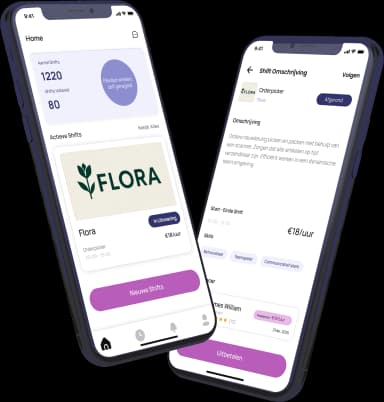
Download the HFS Freelancers app and discover flexible shifts in your area. Or explore more terms in our knowledge base.