Platform verification is a key process in the freelance world. It involves a site confirming your identity, skills, or credentials to establish trust.
What is Platform verification?
Platform verification is a process where a freelancing marketplace confirms specific details about you. This typically involves verifying your identity, such as your name and photo, or your professional qualifications, like work history or skills. It's a stamp of authenticity provided by the platform to signal legitimacy to potential clients.
Why is this important?
Verification builds crucial trust in a remote, digital environment. For you, it can mean more visibility in search results and access to higher-paying projects. For clients, it reduces risk, making them more confident in hiring someone they've never met in person.
How does it work?
The process varies but often requires submitting documents. You might provide a government ID for identity checks, a video selfie, or links to portfolios for skill assessments. The platform then reviews this information. Once approved, a badge or indicator is added to your profile.
Pros and cons
The main pros are increased client trust, better project opportunities, and a competitive edge. The cons can include privacy concerns when sharing personal documents, the time it takes to complete, and potential rejection if your submission doesn't meet the platform's criteria.
Conclusion
Platform verification is a fundamental tool for establishing credibility online. While it requires some effort, the trust it builds is invaluable for a successful freelance career. Consider it an investment in your professional reputation.
Ready to freelance?
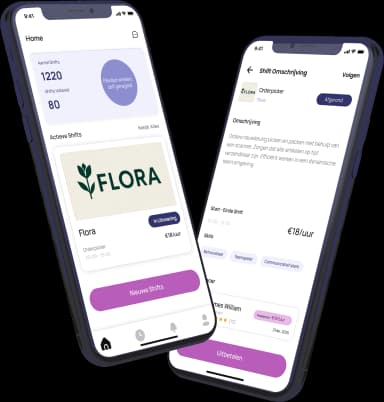
Download the HFS Freelancers app and discover flexible shifts in your area. Or explore more terms in our knowledge base.