The platform economy is the system of digital marketplaces that facilitate services and work. For freelancers, it's the primary way to find clients and projects online.
What is Platform economy?
The platform economy is a business model where digital platforms connect service providers with customers. For freelancers, these are online marketplaces where you can offer your skills. They act as intermediaries, handling discovery, communication, and often payments.
Why is this important?
It's crucial because it has democratized access to work. You can find clients globally without a traditional office. This model defines much of modern freelancing, making it easier to start but also increasing competition on a worldwide scale.
How does it work?
You create a profile showcasing your skills and portfolio. Clients post projects or search for talent. The platform's algorithm then matches you with opportunities. The platform typically manages the transaction, taking a fee for providing this marketplace.
Pros and cons
Key benefits include easy access to a global client base and streamlined project management. The main drawbacks are high competition, which can push rates down, and platform fees that reduce your earnings. You also have less direct control over client relationships.
Conclusion
The platform economy is a foundational element of contemporary freelancing. While it offers incredible access and convenience, understanding its dynamics is key to building a sustainable career. Use it as a tool within a broader business strategy.
Ready to freelance?
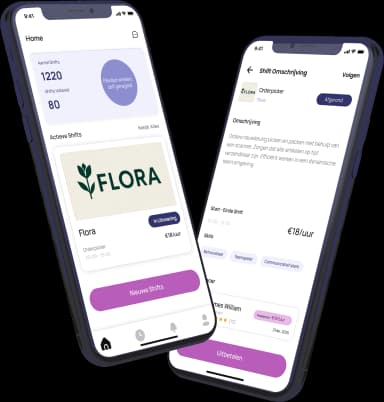
Download the HFS Freelancers app and discover flexible shifts in your area. Or explore more terms in our knowledge base.