Planning tools are essential for freelancers to structure their work and manage multiple projects. They help you visualize tasks, allocate time, and meet deadlines efficiently.
What is Planning tools?
Planning tools are software applications or methodologies used to organize work. They help you break down projects into tasks, set deadlines, and allocate resources. Common examples include digital calendars, project boards, Gantt charts, and to-do list apps.
Why is this important?
For freelancers, good planning is critical for managing your own business. These tools prevent missed deadlines, help you juggle multiple clients, and improve your professional reputation. They turn chaotic workloads into a clear, actionable roadmap.
How does it work?
You start by defining a project's major milestones. Then, you break each milestone into smaller, actionable tasks. You assign these tasks to specific days or weeks, often using a visual interface like a calendar or Kanban board to track progress.
Pros and cons
The main pros are increased clarity, better time management, and reduced stress. Potential cons include the time spent setting up the system and the risk of over-complicating simple projects. The key is to choose a tool that matches your workflow's complexity.
Conclusion
Effective planning tools are a cornerstone of successful freelancing. They provide the structure needed to deliver quality work on time. Investing time in finding the right tool will pay off in greater productivity and client trust.
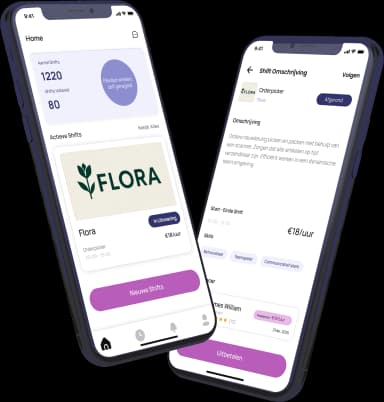
Ready to freelance?
Download the HFS Freelancers app and discover flexible shifts in your area. Or explore more terms in our knowledge base.