Personal data is any information that can identify you or someone else. For freelancers, managing this data is a core part of running a professional and secure business.
What is Personal data?
Personal data, or personally identifiable information (PII), is any detail that can identify a living person. This includes obvious details like your name, email, and address, as well as financial data, location information, and even your online identifiers. As a freelancer, you handle both your own data and your clients'.
Why is this important?
Properly handling personal data is crucial for legal compliance, trust, and security. Laws like the GDPR require you to protect client information. A data breach can damage your reputation and lead to significant fines. Managing data well shows clients you are professional and trustworthy.
How does it work?
In practice, you collect client data for contracts and communication. You must store it securely, often using encrypted drives or password managers. You should only use the data for the agreed purpose and delete it when the project ends, unless you need it for legal or tax reasons.
Pros and cons
The key pros are building client trust and ensuring legal compliance. The main cons are the responsibility and time required for secure management. Risks include potential breaches and the complexity of different international data protection laws.
Conclusion
Understanding personal data is non-negotiable for the modern freelancer. By handling it responsibly, you protect your business, your clients, and your professional integrity. Make data security a standard part of your workflow.
Ready to freelance?
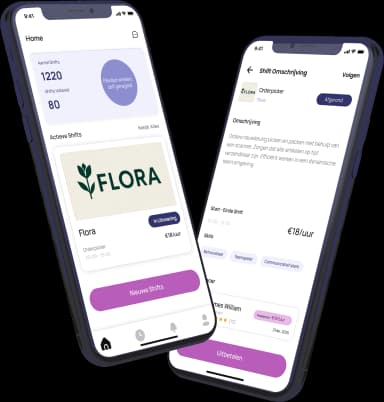
Download the HFS Freelancers app and discover flexible shifts in your area. Or explore more terms in our knowledge base.