A pension is a long-term savings plan designed to provide you with an income in retirement. For freelancers, managing this is a key part of financial planning.
What is Pension?
A pension is a pot of money you save into throughout your working life to fund your living costs after you retire. Unlike traditional employees, freelancers do not have an employer automatically contributing to a company scheme. You are solely responsible for building your own retirement fund.
Why is this important?
For freelancers, a pension is critical for long-term financial security. You won't receive a regular employer pension, and state pensions are often minimal. Without your own plan, you risk having insufficient income when you stop working, making proactive saving essential.
How does it work?
You open a personal pension plan with a provider, such as a bank or investment firm. You make regular contributions, which are invested to grow over time. When you retire, you can typically access the fund as a lump sum, a regular income, or a combination.
Pros and cons
The main advantages are long-term growth through investments and potential tax relief on contributions. Key drawbacks include funds being locked away until retirement and the investment value fluctuating, which carries some risk. You must also manage it yourself.
Conclusion
Starting a pension is a fundamental step for a freelancer's financial future. Begin early, even with small amounts, to benefit from compound growth. Consulting a financial advisor can help you choose the right plan for your goals and circumstances.
Ready to freelance?
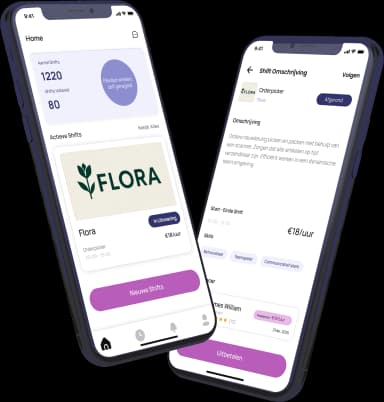
Download the HFS Freelancers app and discover flexible shifts in your area. Or explore more terms in our knowledge base.